About Me
I am a Postdoctoral Researcher at DTU Compute's Cognitive Systems Section, working on the Novo Nordisk Foundation–funded "Reading the Reader" project under the supervision of Associate Professor Per Bækgaard. My work sits at the intersection of psychophysics, eye-tracking methodology, and computational cognitive modeling — seeking to understand the perceptual and cognitive mechanisms that underlie how humans read.
I received my B.Sc. in Electrical Engineering from Shiraz University (2006), M.Sc. from Shiraz University of Technology (2010), and Ph.D. in Telecommunication Engineering from the same institution (2015). Before joining DTU, I held postdoctoral positions at the University of Southern Denmark (applied AI & data science) and the University of Copenhagen (collaboration between food science, computer science, and FOSS Analytical A/S).
I have authored publications spanning signal and image processing, biomedical computing, and AI/ML applications — including three books in Persian. I have been an IEEE Senior Member since 2022 and an ACM Professional Member since 2025.
Current Research
"Reading the Reader" (RtR)
How does typeface design influence the cognitive effort and efficiency of reading? The RtR project combines psychophysics experiments with advanced eye-tracking analysis to quantify how low-level typographic features — font family, style, and spacing — affect perceptual thresholds, visual short-term memory capacity, and processing speed.
Funding: The RtR project is funded by the Novo Nordisk Foundation (NNF) — Data Science Collaborative Research Programme 2022, Grant No. NNF22OC0076877.
Explored Research Topics
- Native Language Identification from Reading (NLIR): Leveraging eye-tracking gaze data to predict readers' native languages from their L2 reading patterns. Using the MECO-L2 dataset with linguistically motivated n-gram features (First Fixation, First Pass, and Total Fixation durations), we evaluate both classical logistic regression and a novel enhanced BERT-based classifier with progressive layer unfreezing. Monte Carlo simulations with 20 random seeds ensure robust generalization across 7- and 12-language classification tasks, with hierarchical clustering analysis validating linguistic coherence of the learned representations.
- Eye-Tracking & Pupillometry: Using Tobii eye-trackers to capture gaze patterns, fixation dynamics, and Task-Evoked Pupillary Responses (TEPR). Full preprocessing pipeline including blink detection, Hampel filtering, Gaussian smoothing, adaptive interpolation, and baseline correction for cognitive load analysis.
- TVA Parameter Estimation: Applying Bundesen's Theory of Visual Attention (TVA) to model visual cognition during reading. Per-participant Bayesian MCMC estimation of K (VSTM capacity), C (processing speed), and t₀ (perceptual threshold) across font conditions using PyMC.
- Font Legibility & Psychophysics: Investigating how font families (Cambria, Roboto, Garamond) and styles (regular vs. italic) modulate reading performance through word superiority effects, P(t) curves, and Bayesian posterior difference distributions.
- Bayesian Hierarchical Models: Growth Curve Analysis (GCA) using orthogonal polynomials for temporal pupil data, hierarchical models for Peak Pupil Dilation (PPD) curves, with emphasis on LOO-CV diagnostics and model identifiability.
- Machine Learning & Deep Learning: Development and application of supervised and unsupervised methodologies including CNNs, LSTMs, Random Forests, and transformer-based architectures (BERT, RoBERTa) for classification, segmentation, and prediction tasks across biomedical and cognitive domains.
Other Research Topics
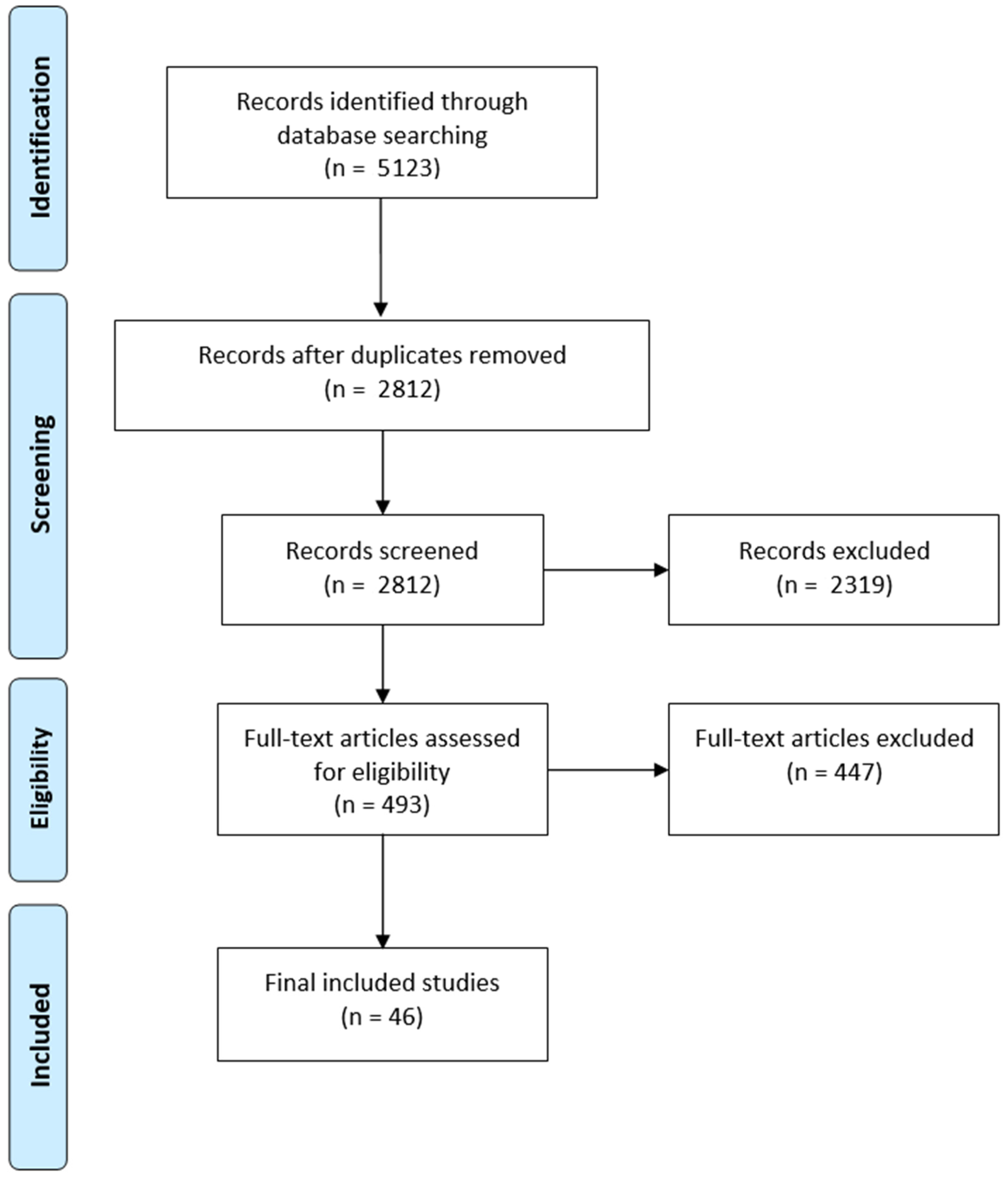
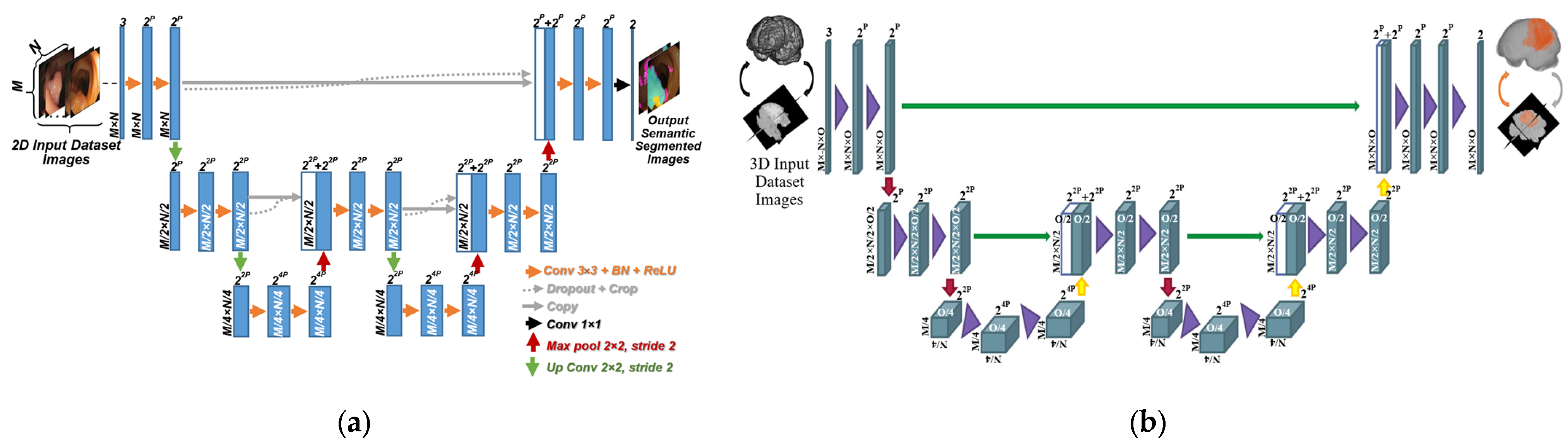
- Biomedical Image Segmentation: Designing innovative deep convolutional architectures (AID-U-Net) for semantic segmentation of biomedical images, as well as polyp detection and segmentation from colon capsule endoscopy (CCE) images using combinations of RCNN and DRLSE methods.
- Electronic Health Records (EHR) Modeling: Time-variant event learning from electronic health records using LSTM and Random Forest models for predicting clinical outcomes such as metastatic prostate cancer progression beyond bio-markers.
- Multivariate Data Imputation: Development of the MIPLS2 algorithm for predicting and imputing missing values in two-way large-scale metabolomics and foodomics datasets using PLS2-based approaches with spectral data (H¹NMR, NIR, FTIR).
Methods & Tools
Programming Languages
Deep Learning Frameworks
Statistical & Bayesian Modeling
Eye-Tracking & Psychophysics
Data Science & Visualization
ML & NLP Models
Simulation & Engineering
Documentation & Productivity
M-SPARC Workshop
Multimodal Signal Processing for Attentional Resource Cognition
I co-organize the M-SPARC workshop at IEEE ICASSP 2026 in Barcelona, bringing together researchers on multimodal signal processing — eye-tracking, EEG, physiological sensing — for cognitive state estimation, adaptive interfaces, and human-centered AI systems.
Workshop Website ↗Academic Positions
Technical University of Denmark (DTU)
Postdoctoral Researcher — Cognitive Systems, DTU Compute
Reading the Reader project · Eye-tracking & psychophysics · Bayesian cognitive modeling
University of Copenhagen (KU)
Postdoctoral Researcher — Food Science × Computer Science
FOSS Analytical A/S collaboration · MIPLS2 algorithm
University of Southern Denmark (SDU)
Postdoctoral Researcher — Applied AI & Data Science, MMMI
Prostate cancer modeling · EHR · Deep learning for biomedical imaging
Karlsruhe Institute of Technology (KIT)
Internship — Institute for Data Processing and Electronics (IPE)
Education
Ph.D. in Electrical Engineering
Shiraz University of Technology — GPA: 18.18/20 (1st rank)
M.Sc. in Electrical Engineering
Shiraz University of Technology — GPA: 18.28/20 (1st rank)
B.Sc. in Electrical Engineering
Shiraz University
Featured Publications

MIPLS2: Exploiting PLS2 to Impute Missing Values in a Two-Block System with Multiple Response Variables
Analytica Chimica Acta
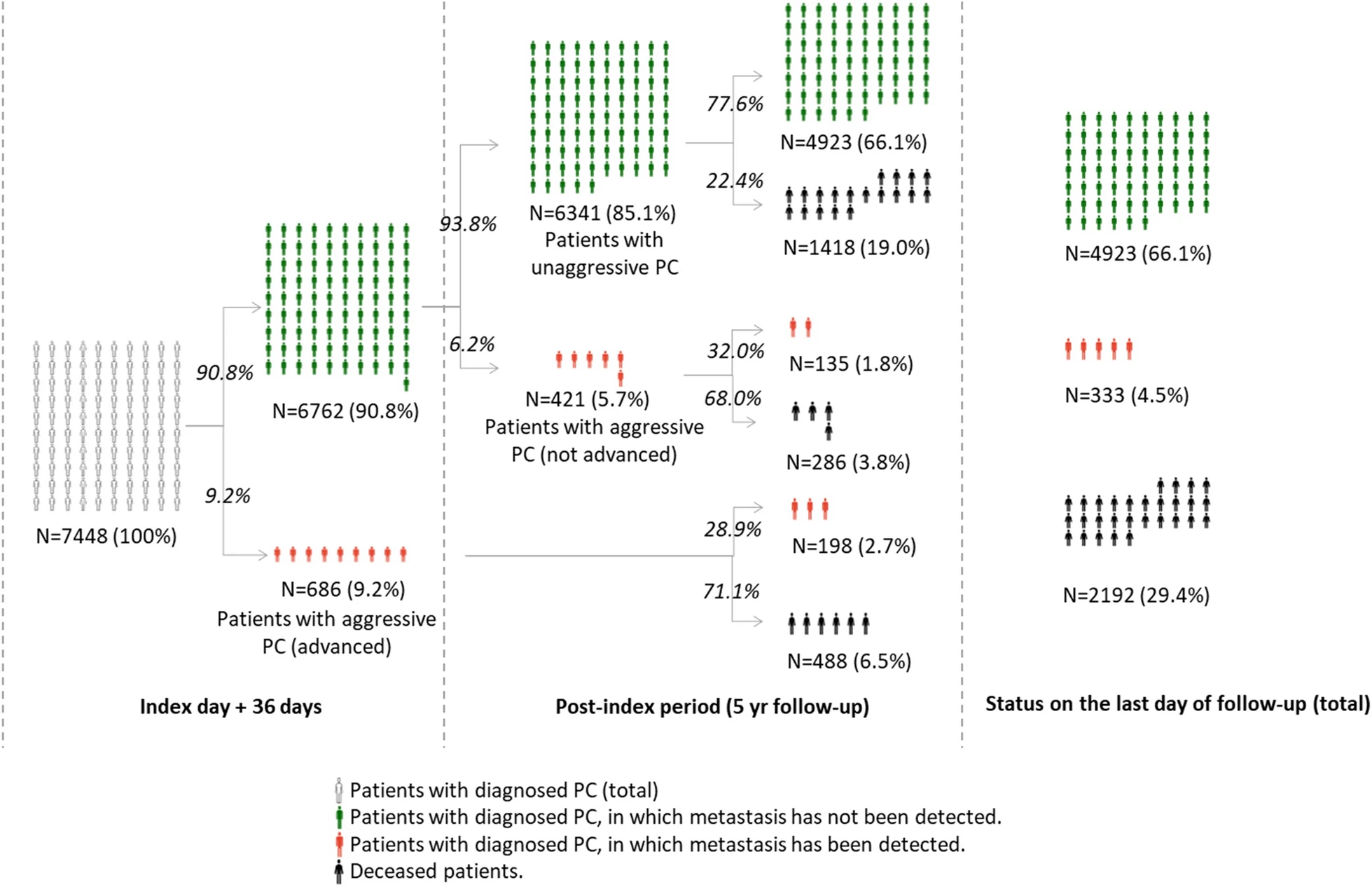
Epidemiological Description and Trajectories of Patients with Prostate Cancer in Denmark
BMC Research Notes

Opportunities for Students
I actively co-supervise M.Sc. and Ph.D. students and welcome inquiries from motivated candidates interested in human-centered AI, cognitive computing, reading research, biomedical imaging, and applied machine learning. Below are representative thesis topics reflecting our ongoing and planned research directions.
Adaptive Reading Interfaces Using Eye-Tracking
Design and evaluate real-time adaptive systems that modify typographic parameters (font, spacing, size) based on gaze-derived cognitive load signals. Combines UX design, eye-tracking methodology, and human-in-the-loop AI.
Bayesian Models for Pupillometric Cognitive Assessment
Develop hierarchical Bayesian models to quantify cognitive effort from task-evoked pupillary responses during reading and visual attention tasks using PyMC/Stan.
Native Language Identification from Eye-Tracking Data
Predict readers' native languages from L2 gaze patterns using linguistically motivated features and transformer-based classifiers (BERT, DeBERTa) on the MECO-L2 dataset. Explore cross-lingual transfer effects and hierarchical language clustering.
Deep Learning for Biomedical Image Segmentation
Develop and evaluate novel CNN architectures (e.g., U-Net variants) for semantic segmentation of biomedical targets including histopathological images, polyps from capsule endoscopy, and USCT breast imaging.
Biometric Identification Through Reading Patterns
Explore person-specific eye movement signatures during reading for authentication purposes. Involves deep learning on gaze sequences, fixation/saccade features, and privacy-aware design.
Multimodal Cognitive State Estimation
Combine eye-tracking with physiological signals (EEG, GSR) to classify cognitive states such as focused reading, mind-wandering, and cognitive overload for adaptive learning systems.
AI-Driven Detection of Text Authorship (Human vs. AI-Generated)
Leverage eye-tracking signals to investigate whether reading patterns differ when people read human-authored versus AI-generated texts, contributing to AI text detection and content authenticity research.
Machine Learning for Electronic Health Record Analysis
Apply supervised and unsupervised ML methods (LSTM, Random Forest) to model time-variant clinical events and predict disease progression from multi-variate EHR data, building on prior work in prostate cancer modeling.
Font Width, Spacing & Readability in Digital Text
Investigate the impact of typographic variables (font width, inter-letter/word spacing) on reading speed, comprehension, and visual comfort through eye-tracking experiments and UX evaluation methods.
Missing Value Imputation in Multivariate Data
Extend PLS-based imputation algorithms (MIPLS2) to handle complex missing data patterns in large-scale spectral, metabolomics, or clinical datasets using robust chemometric and machine learning approaches.
Teaching & Supervision
UX Course Co-Teaching
Co-teaching UX Design Prototyping (02810) and User Experience Engineering (02266) at DTU.
Thesis Co-Supervision
Supervised 11+ M.Sc. theses on typography, adaptive reading, eye-tracking biometrics, and reading accessibility.
Peer Review
Reviewer for ETRA, IEEE TMI, IEEE Access, Elsevier ASOC, Springer MTAP, and other venues.